26 November 2025
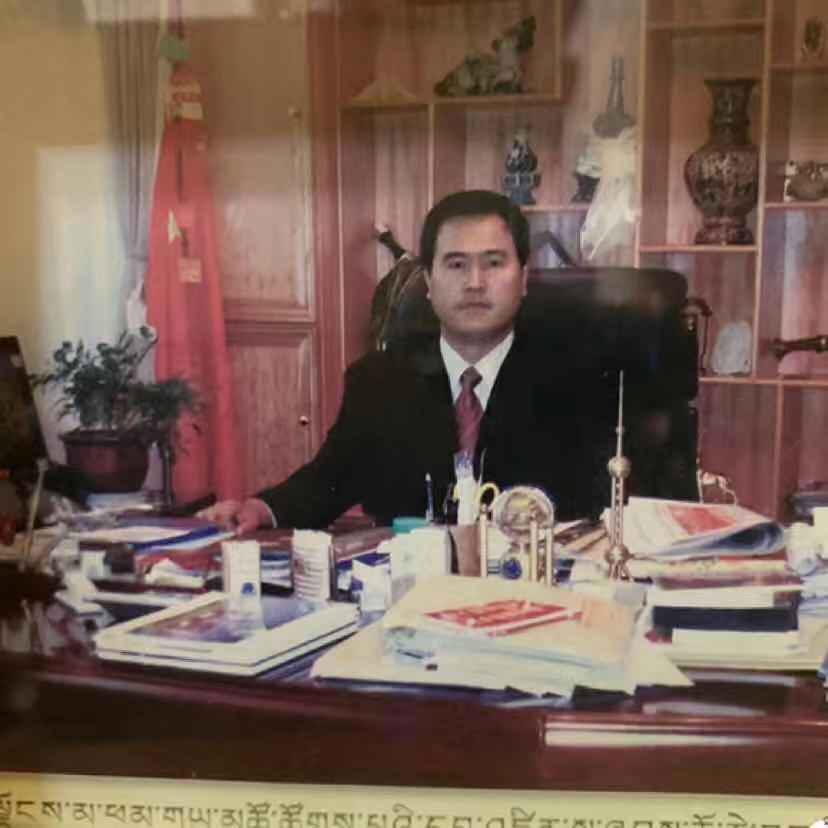
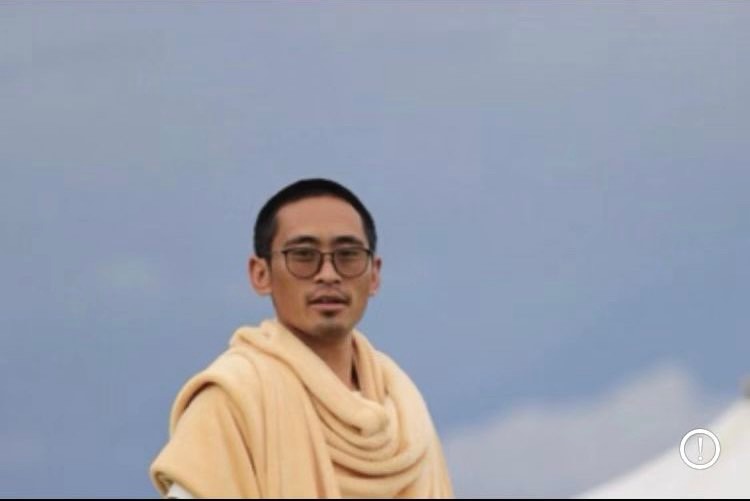
According to new information received by Tibet Watch, prominent Tibetan businessman Dorje Tashi has been beaten, apparently by other inmates, on two separate occasions at Drapchi Prison* in Lhasa.
Dorje Tashi, 51, was first attacked on 17 April 2021 by eight inmates, with details of that beating remaining unclear. More recently, on 15 April 2025, he was beaten again by three people, most likely criminal inmates of the prison, leaving visible marks on his forehead.
On 29 April, just two weeks after the second beating, prison authorities refused to allow his brother Dorje Tsetan and Chinese lawyer Wang Fei to visit, citing an unexplained “violation of prison rules.” Dorje Tsetan, who had waited at the facility for several days, described the denial as “unbearable.” Dorje Tashi’s wife and son, who now live overseas but had travelled to Lhasa in an attempt to meet him, were denied any access.
The use of violent inmates to assault political prisoners is a documented practice in Chinese prisons, where authorities either turn a blind eye or actively encourage such attacks as a form of punishment while maintaining deniability.
After six years of delays and obstruction, lawyer Wang Fei was finally able to have a conversation over the prison phone on 30 October with Dorje Tashi, who is serving a life sentence and has been tortured to the brink of death.
The identities of the attackers and their motives remain unclear, though the timing of the violence and subsequent visit denials suggest coordination with prison authorities.
The denial of the April visit appeared to contravene Article 8 of China’s Regulations on Lawyers Meeting with Detained Criminals, which requires authorities to “arrange meetings promptly” for properly submitted requests. The visit had been scheduled over a month in advance with all required documentation submitted beforehand.
Family members have not been permitted to see Dorje Tashi for several years despite repeated attempts. Even his lawyer has been limited to just a single video call in the past year before the October meeting. Chinese prison authorities have consistently used excuses such as claiming Dorje Tashi violated prison rules or engaged in misbehaviour to justify blocking visits.
Dorje Tashi’s family have spent hundreds of thousands of yuan in preparing solid legal cases to seek justice, but appeals against his extreme sentence and treatment have so far failed. They may attempt to appeal again after the latest incident. Dorje Tashi’s family have also turned to bold public appeals after exhausting official channels. His elder sister Gonmo Kyi has staged sit-ins in front of courts in Lhasa, and in April 2024 was severely beaten by police following solo protests. On 20 August, Gonmo Kyi was injured after jumping from the second floor of the family’s hotel in Lhasa while being detained by local police. She was compelled to stay in the hotel, and the entire building was cordoned off by security personnel, with no one allowed to enter or exit, most likely to isolate the family while Xi Jinping was in Lhasa and during the sensitive political anniversary of the founding of the Tibet Autonomous Region. Although she was later allowed to receive hospital treatment, she has sustained painful injuries.
From Party elite to life sentence
Dorje Tashi was among Tibet’s most prominent entrepreneurs and a Communist Party member before his July 2008 arrest. His company, Tibet Manasarovar Group, owned a chain of luxury hotels including the famous Yak Hotel in Lhasa, and he had served as a deputy to the National People’s Congress.
Following his detention during the crackdown after the 2008 Lhasa unrest, he endured torture so severe that prison guards reportedly wept and attempted to shield him from interrogators sent from Beijing. Much of his initial torture occurred in what is believed to have been a military camp in Lhasa – an extra-legal ‘black jail’ – before transfer to an official detention centre.
In a detailed testimony published in 2021, Dorje Tashi described how two interrogators from Beijing’s secret police threatened him, claiming they had “killed people like you during investigation” and that “even if we kill or handicap you, we are not liable under the law.”
He was sentenced to life imprisonment at a secret trial on charges of loan fraud that legal experts have concluded were fabricated. Family members allege the charges were manufactured by senior Party officials in the Tibet Autonomous Region. Despite expert legal opinions finding the evidence insufficient to support fraud charges or a life sentence, all appeals have been rejected.
The systematic violence and denial of access to Dorje Tashi exemplifies the broader pattern of abuse faced by Tibetan political prisoners, who continue to face fabricated charges, torture, and complete isolation from family and legal representation.
–
*We have corrected in this report a previous error by Tibet Watch, which stated that Dorje Tashi was being held in Chushur Prison. The correct location is Drapchi Prison, officially known as Tibet Autonomous Region Prison.