12 December 2025
A prominent Tibetan Buddhist leader and educator from Amdo has been detained and ‘disappeared’, and his vocational school abruptly closed, with families instructed to collect their children immediately.
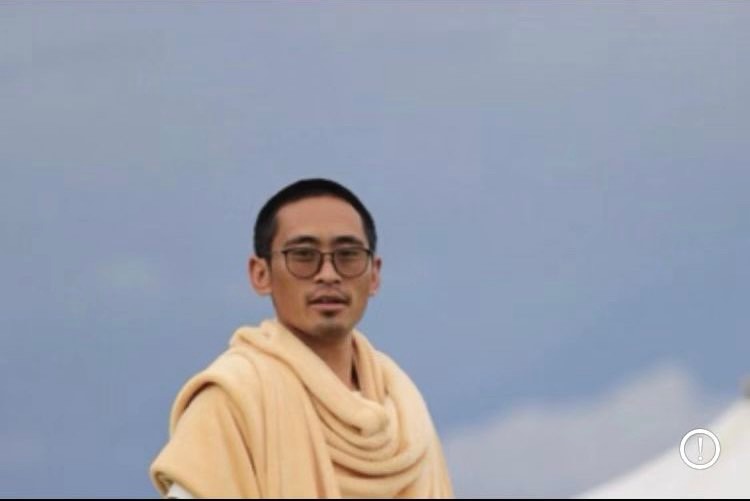
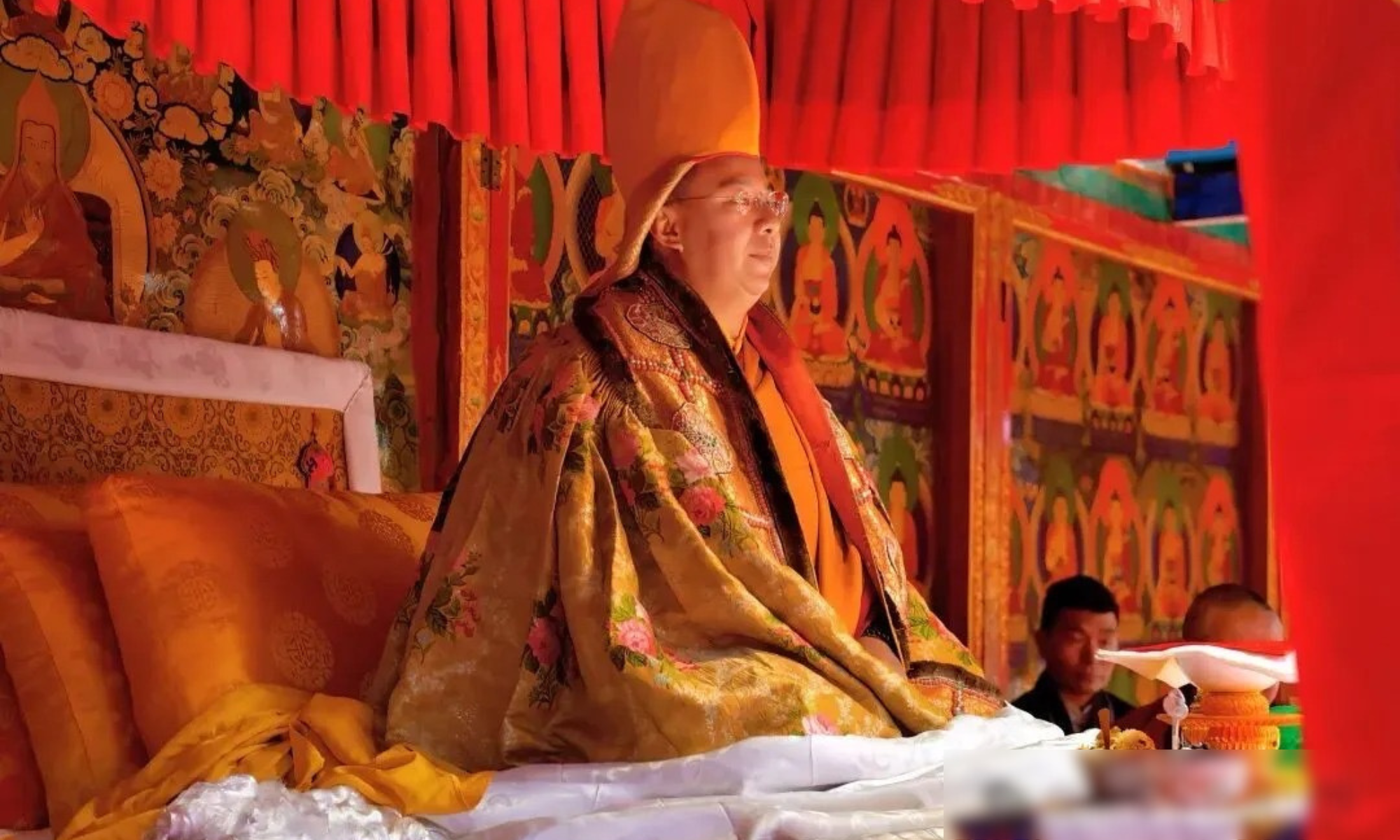
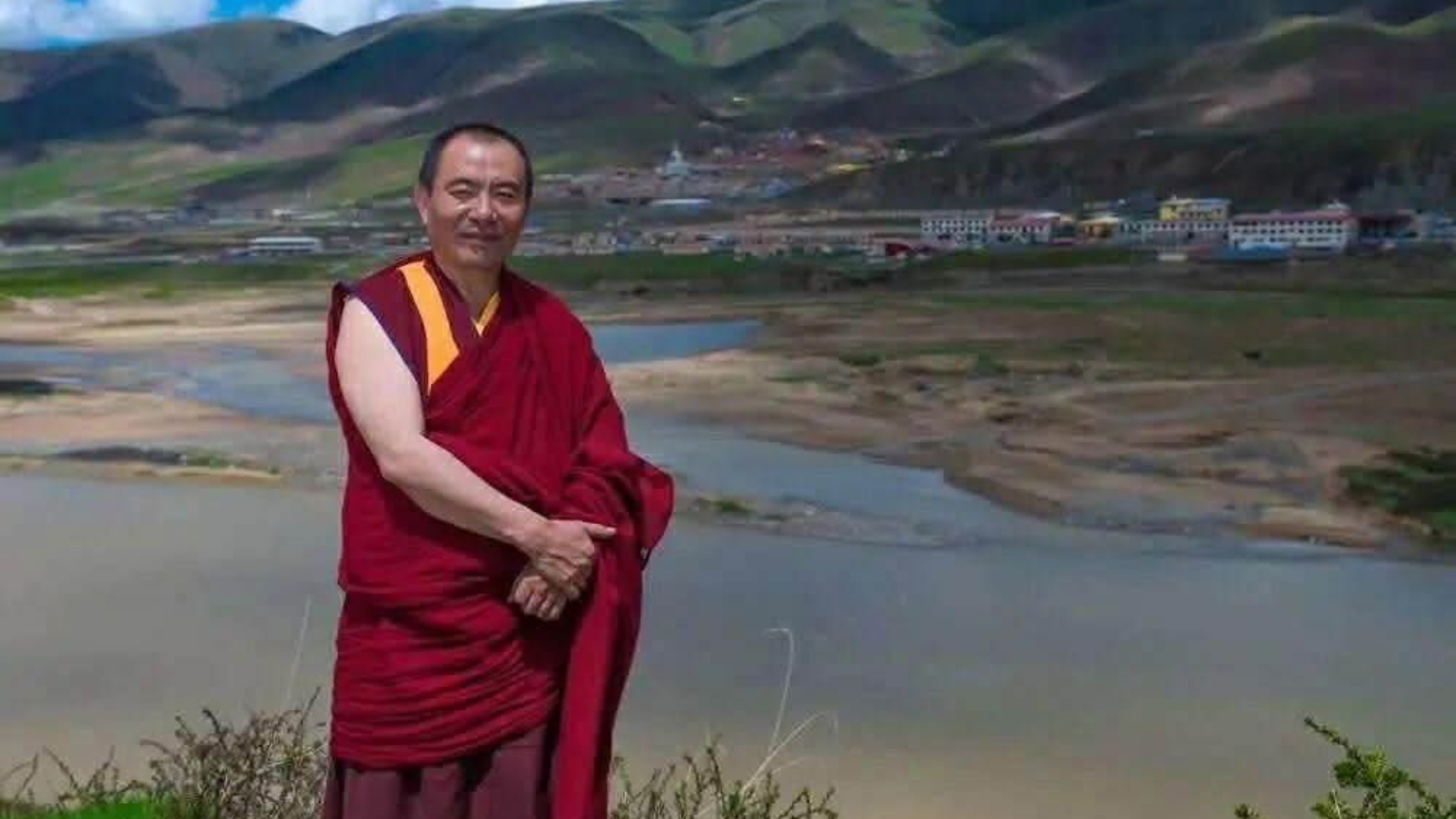
Chogtrul Dorje Ten, head of Mintang Osel Thegchok Ling monastery and principal of Dorje Ten Nationalities Vocational Technical School in Chigdril (Jigzhi) county, Golog (Chinese: Guoluo), Qinghai, was detained on or around 4 December, according to Tibetan sources. Following his detention, the successful independent vocational school he founded, which served over 1,300 students, was abruptly closed.
The school, which combines Tibetan and Chinese-language education alongside practical vocational training, equipping students for work in tourism, Tibetan medicine and other sectors, is an officially approved institution with established partnerships with other respected colleges in Qinghai Province.
According to Tibet Watch sources, no one knows the reason for the detention and enforced disappearance of Chogtrul Dorje Ten, or who detained him. It is too dangerous for Tibetans to speak about it, even to each other. A Tibetan source said: “Everyone is now very afraid and distressed.”
Chogtrul Dorje Ten’s sudden detention and the impact on his school is part of a wide-ranging and coordinated crackdown on independent education in Tibet, amid an intensified campaign of surveillance and suppression targeting Tibetan Buddhist institutions and civil society leaders. Over the past two years, hundreds of young Tibetan novice monks have been forced to leave monastery-affiliated schools and instead enroll at state-run residential schools, and major non-state Tibetan schools have been forced to close. Senior monks have disappeared, with even prominent monks on Party-run committees targeted, and there have been raids on prominent monasteries to confiscate images of the Dalai Lama and other exiled religious leaders.
Chogtrul Dorje Ten (full name: Chogtrul Thubten Yeshe Nyima), who is in his late fifties, is a reincarnate lama from Golog in Qinghai, the Tibetan area of Amdo. He received extensive Buddhist education from distinguished teachers, including the late Buddhist master Khenpo Jigme Phuntsog at Larung Gar religious institute in Serthar, Kham – one of the world’s largest Buddhist institutes before Chinese authorities began a campaign of demolitions and expulsions of monks and nuns there in 2016.[1]
Beyond his religious roles, Chogtrul Dorje Ten also held various political positions, including deputy director of the United Front County Political Consultative Conference of Jigdril (Jigzhi) County in Qinghai and other roles in local government advisory bodies and cultural preservation organisations.

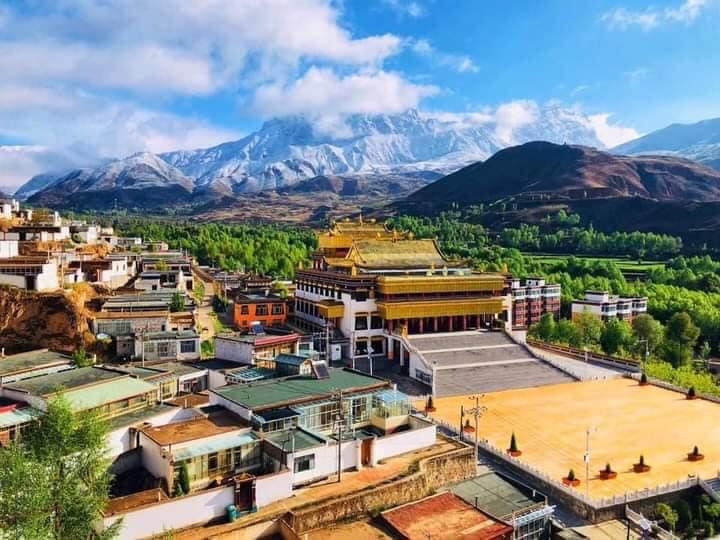
Mintang Osel Thegchok Ling monastery
In 2007, Chogtrul Dorje Ten established what would become one of the most successful independent Tibetan educational institutions in the region. The Dorje Ten Nationalities Vocational Technical School received official approval through Qinghai Province Golog Prefecture government documents and was completed in 2010 with support from the prefectural authorities.
Over one thousand students from seven graduating cohorts have completed their studies there, with hundreds subsequently attending or graduating from various colleges, and many graduates now working in both government and private sectors across Tibetan areas.
The school follows China’s official national junior and senior middle school curriculum for core subjects, combining standard Chinese national education requirements with specialised vocational training rooted in Tibetan culture, including courses in both Tibetan and Chinese languages, maths and calligraphy.
Even the formal partnerships the school developed with major provincial institutions were not enough to prevent its abrupt shuttering last week. The vocational school had become a branch campus of Qinghai Nationalities University in Golog Prefecture, a branch of Qinghai Normal University, and a base campus for the Art Department of Qinghai Nationalities University. Officials, principals, and professors from both universities visited regularly, providing educational support and public praise.
The abrupt shutdown (although it is not known yet if the closure will be permanent) of an officially approved and highly successful school is evidence of China’s increasingly systematic assimilation policy in Tibet, extending well beyond political control of Tibet. Xi Jinping’s ‘new era’ strategy systematically targets the foundations of Tibetan cultural and religious identity through the attempted ‘Sinicisation’ of Tibetan Buddhism and education in state-run boarding schools which mainstream the Chinese language.
Last year, Tibet Watch documented the closure of the Buddhist primary school in one of Tibet’s largest and most important monastic and educational institutions at Taktsang Lhamo Kirti. The authorities ordered over 300 of the school’s monk students aged between six to 18 to disrobe and attend the government-run schools in Dzoege (Ruo’ergai) County in Ngaba (Aba), Sichuan as part of China’s compulsory education system.
There are continuing reports of abusive and poor conditions in state-run boarding schools. In a video published by Radio Free Asia, five former novice monks who escaped from a residential boarding school after expulsion from their monastery referred to the school as a “prison”, saying that school officials beat them, denied them adequate food, and forced them into “political education” in contrast to the curriculum offered to other, non-monastic students. The teenage monks had been forced to leave Muge Monastery School after Chinese authorities ordered their parents and the monastery, along with at least four other monasteries in the Ngaba region of Amdo, to send all students under age 18 to state-run boarding schools.
Endnotes:
[1] Tibet Watch reported on the expulsions of more than 1,000 monks and nuns from Larung Gar in late 2024. Residential quarters were due to be demolished to restrict the community to 5,000 people. https://tibetwatch.org/further-details-emerge-of-evictions-at-larung-gar/