22 December 2025
There have been mass detentions in eastern Tibet following a rare protest against a mining operation in pastureland vital to local nomadic livelihoods.
Although the authorities have imposed a communications blackout, news of the courageous protests by dozens of Tibetans in early November against a gold mine reached exile Tibetans this week. China responded with a crackdown, detaining dozens of Tibetans, many of whom endured violent interrogation so severe that some had to be hospitalised.
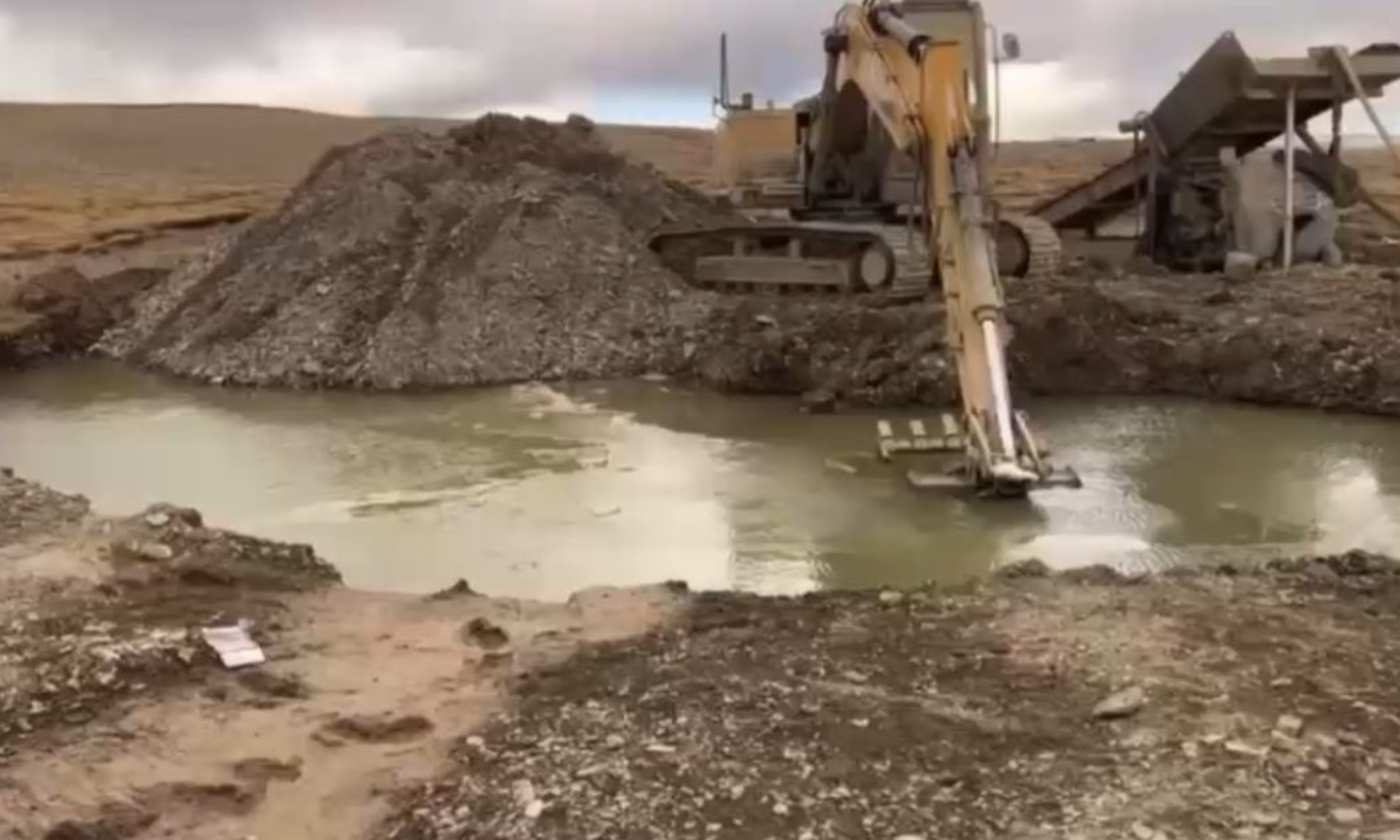
According to information released by the Tibet Policy Institute at a briefing in Dharamsala on 5 November, local people protested a new gold mine in the township of Kashi (Chinese: Gayi), Sershul (Shiqu) county in Kardze (Ganzi), Sichuan Province. Images received from the area depict heavy machinery apparently preparing to excavate in the highland pasture, ripping up the earth where yak and sheep traditionally graze. The valley name, Serkog, means ‘gold valley’ in Tibetan.
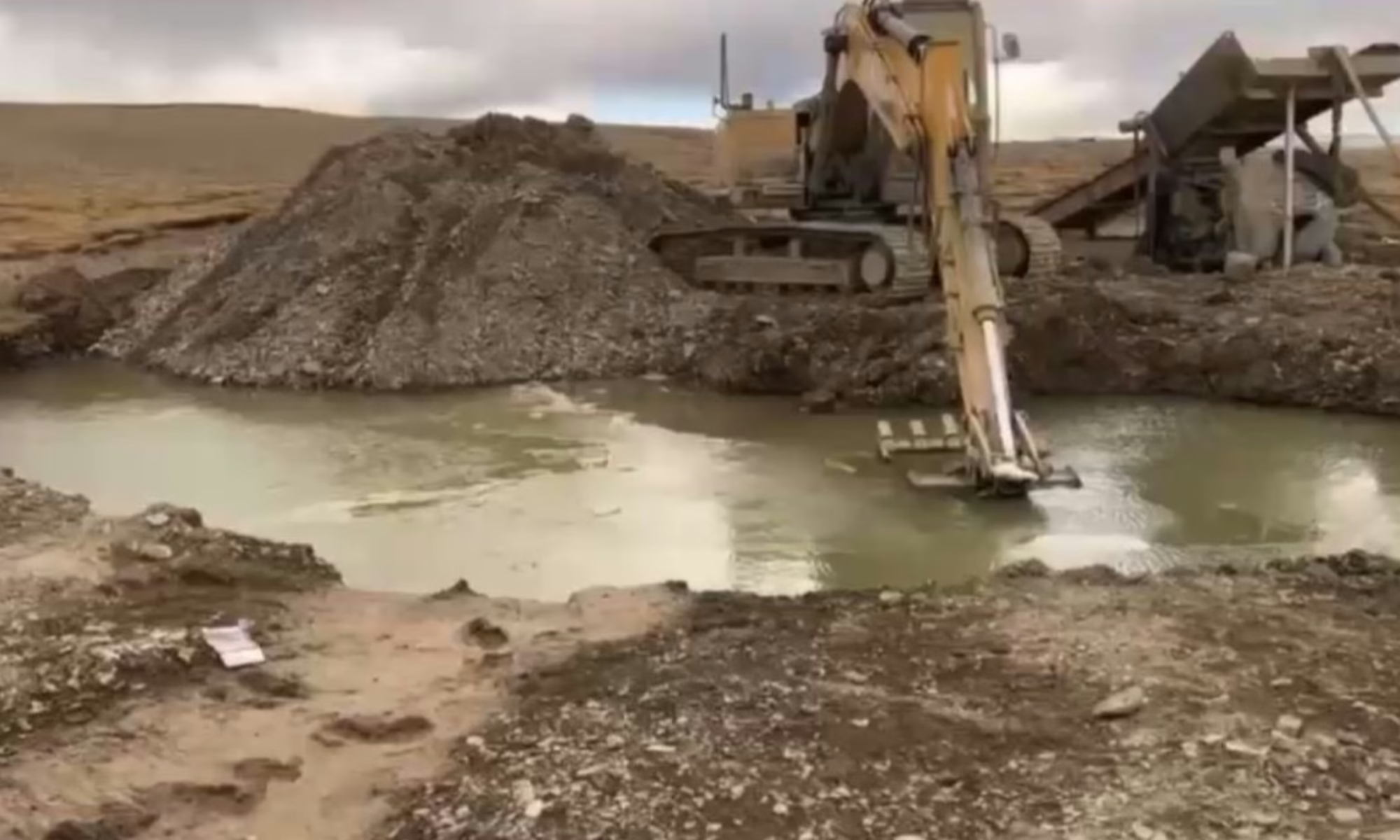
Heavy digging equipment at the site in Tibetan grasslands. Image provided by Tibet Policy Institute.
In response to the peaceful protests, the entire township was sealed off by police, armed forces, and United Front officials, and the mobile phones of Tibetans were confiscated, according to Tibet Policy Institute, citing Tibetan sources in exile.
Beginning on the evening of 6 November, security forces carried out systematic, door-to-door detentions, including elderly nomads, removing around 60-80 Tibetans to Sershul county for interrogation. Sources say that several people remain missing, with families unable to obtain information about their whereabouts. This is in contravention of China’s Criminal Procedure Law, which states that the family of a detained person has the right to be informed of the reasons for and location of custody within 24 hours.
According to the same sources, several detainees suffered broken ribs and other injuries during violent and coercive interrogations
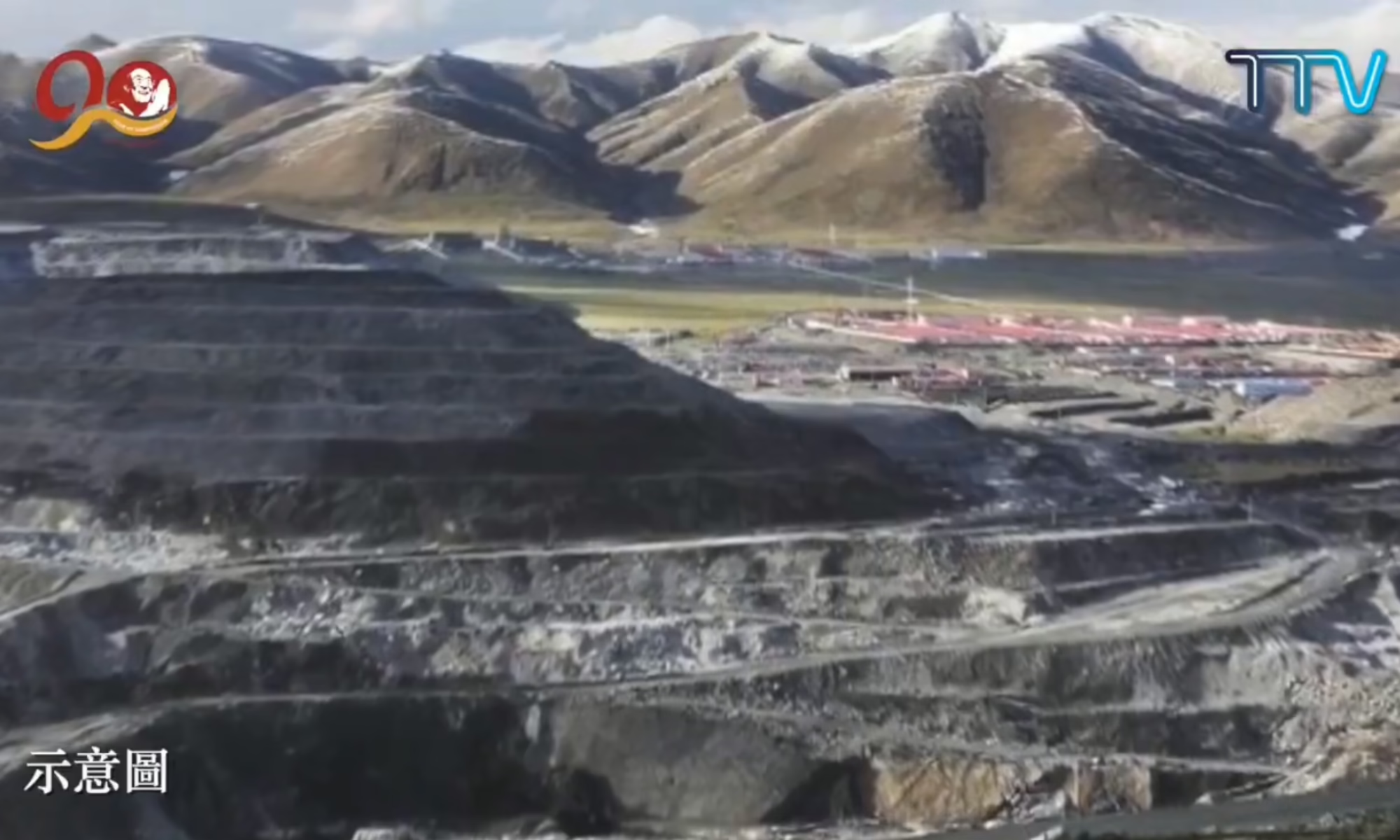
Images of the mining site in Tibet. Credit: Tibet TV.
Oppression in the area has been severe for some time, with surveillance cameras, recording devices, and monitoring equipment installed in numerous private homes to record conversations and monitor daily activities. Crackdowns in the Kardze area have been severe particularly since several waves of peaceful protest activity from 2008-9 onwards, often involving monks and nuns.[1] Tibet Policy Institute also reported that public prayer gatherings are not allowed, elders are prevented from conducting circumambulation of temples during religious festivals and children are not allowed to attend cultural workshops or study programmes during school holidays.
Tibetan exile sources say that mining in this area of Kham has occurred intermittently since the 1990s, causing severe ecological harm to local rivers, grasslands, and sacred landscapes.
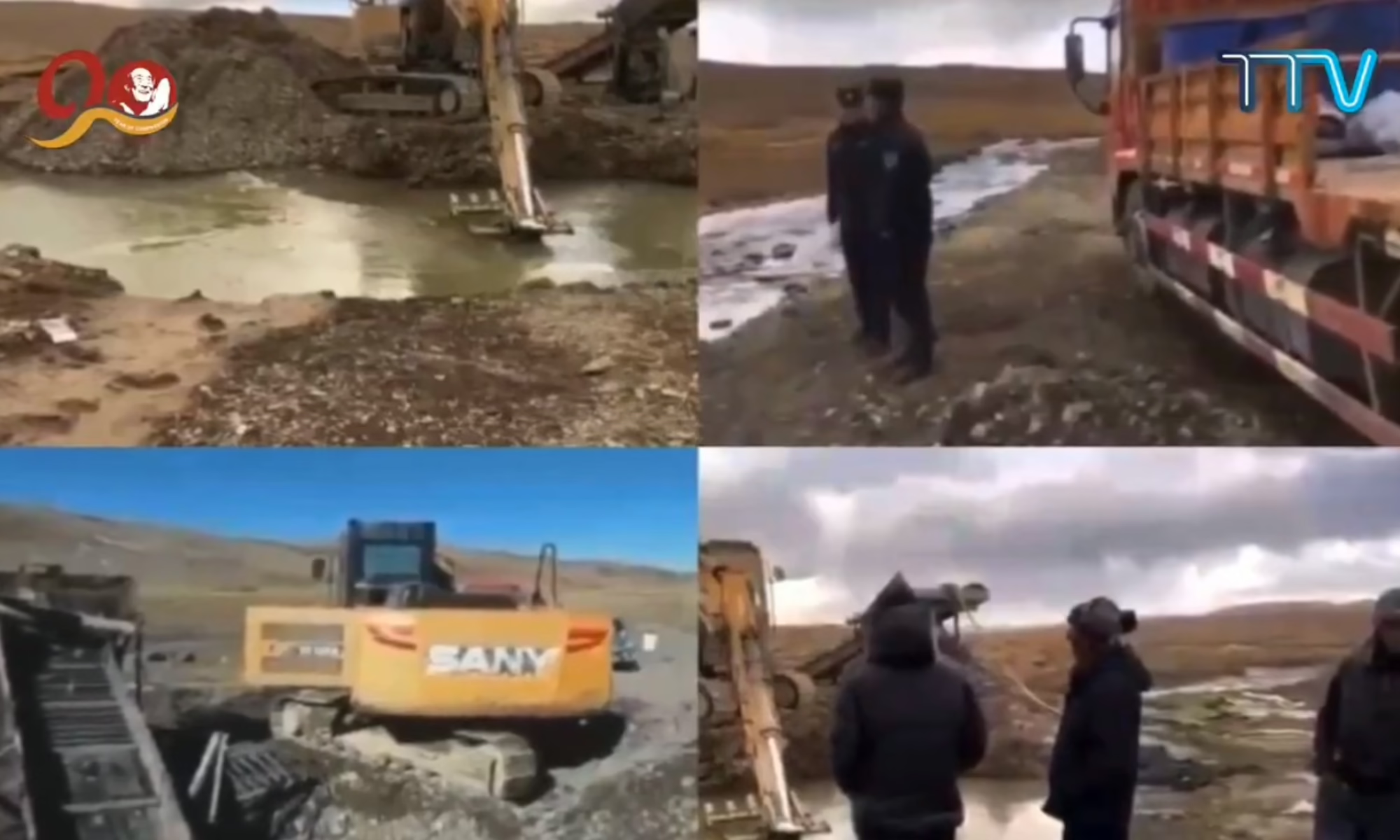
Images of the mining site in Tibet. Credit: Tibet TV.
The mass detentions underscore the extreme risks faced by Tibetans who peacefully oppose state-backed development projects, and the near-total absence of space for lawful protest, environmental consultation, or independent reporting in Tibet.
There were mass detentions in another area of Kham, Derge, following peaceful appeals against the construction of a major hydropower dam in February 2024. Gonpo Tsering, the 45-year-old head of his monastery, was tortured in custody so severely as a result that he is now unable to speak or swallow food, faces breathing difficulties, has lost his sight, and suffers from brain injuries.
Endnotes
[1] Tibet Watch has documented several violent crackdowns in the Kardze area, including https://tibetwatch.org/crackdown-in-kardze/ and https://tibetwatch.org/download/desecration-in-drago-county-destruction-of-tibetan-religious-heritage-arbitrary-detentions-and-torture/