31 March 2026
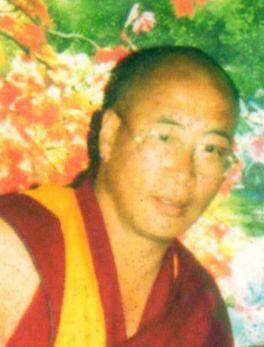
A Tibetan Buddhist monk who disappeared for five years has been sentenced to seven years in prison, apparently for his devotion to the Dalai Lama, Tibet Watch has learned.
It is the latest case in a disturbing pattern of incommunicado detentions targeting prominent monks and educators in Tibet. In one case, a Tibetan family only learned of the detention of their relative when they were sent a bill for expenses incurred during his imprisonment.
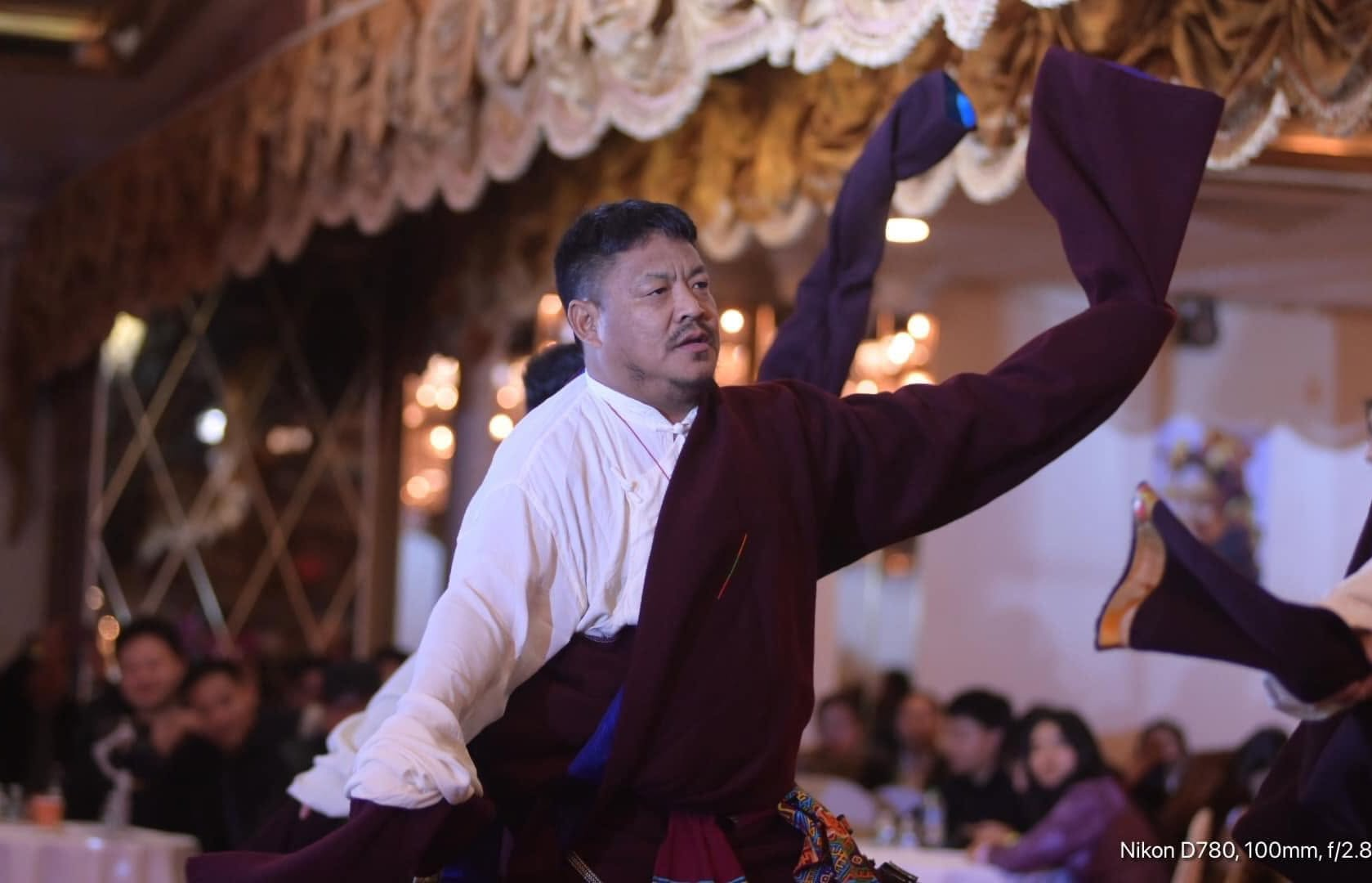
Dargye, 63, a widely respected monk known for leading religious retreats and consecration rituals in Lhasa, was detained in August 2021. For more than five years, his family and community had no knowledge of his whereabouts or welfare — a silence that contravened China’s own laws requiring detention notifications within a specified period. It was only recently learned that he had been sentenced to seven years in prison. He has been denied all visits.
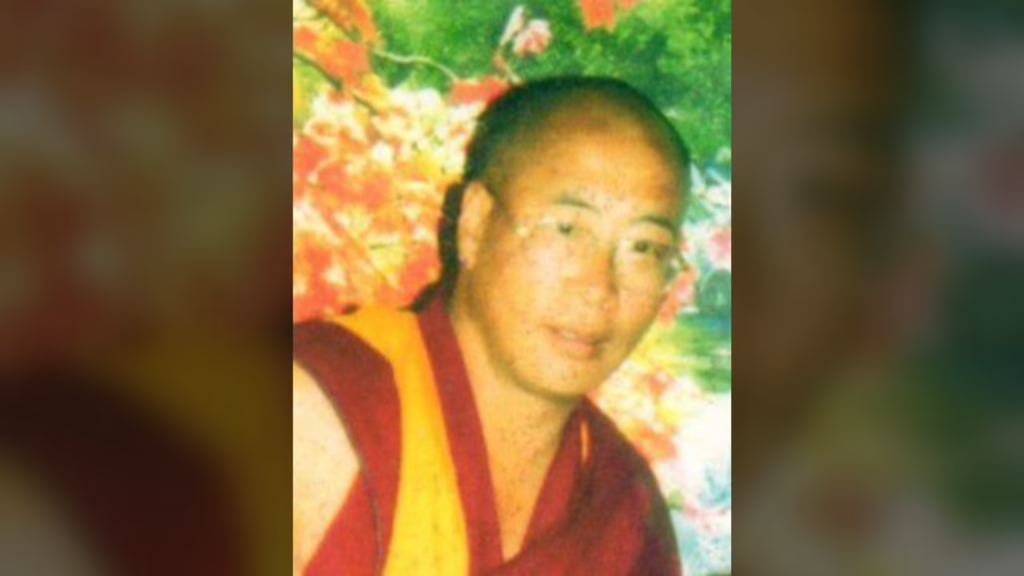
Dargye, 63, was detained in August 2021.
Tibet Watch has monitored a series of such cases in recent years, documenting a pattern in which prominent Buddhist monks and educators are detained incommunicado and kept beyond the reach of their families and the law.
According to new information, Dargye was charged in connection with making devotional offerings (སྐྱབས་རྟེན་དང་བསྔོ་རྟེན།) to the Dalai Lama. He is also said to have been accused of helping some Tibetan monks leave Tibet.
Dargye (དར་རྒྱས།), from Golok Palshul Serta (མགོ་ལོག་དབལ་ཤུལ་གསེར་རྟ།) , is from Serta Sera Monastery (གསེར་རྟ་སེ་ར་དགོན་པ།) in Serta County, present-day Sichuan, in the eastern Tibetan area of Amdo. He had been living in Lhasa, making pilgrimages, conducting religious retreats, and receiving teachings from lamas. Dargye performed consecration rituals for religious statues, scriptures, and stupas, and operated a small shop in Lhasa providing such services to Buddhist devotees.
Dargye was detained together with his relative Tsering and a nun named Choekyi on 5 August 2021. While Tsering and Choekyi were later released from police custody, Dargye did not return home. His family contacted Lhasa police officials, who assured them that he was well and that they had no need to worry. But they heard nothing else. Tibet Watch only learned of his disappearance in 2025.
These actions violate China’s own laws. The Criminal Procedure Law states that “a public security organ must produce a warrant of arrest when arresting a person” and that the organ “shall, within 24 hours after arresting a person, notify his family or the unit to which he belongs of the reasons for the arrest and the place of custody, unless such notification would hinder the investigation or there is no way of making such notification.” (Article 71).
Dargye’s case – encompassing arbitrary arrest, secret detention, failure to notify his family, and secret charging and sentencing – is not an isolated one. It reflects the broader reality faced by many Tibetans, who are arrested, detained, sentenced, and imprisoned in complete secrecy and without due process. As with Dargye, whose situation only came to light after more than five years, information on many such cases never surfaces at all, owing to China’s pervasive surveillance, severe restrictions on communication, and the secrecy with which such repression is carried out inside Tibet.
A pattern of disappearances: Palden Yeshi
Tibet Watch has monitored a disturbing trend of detentions of prominent Buddhist monks and educators in recent years.
In March 2021, Chinese authorities detained Palden Yeshi, a teacher at Kardze (Chinese: Ganzi) Monastery in Sichuan, the Tibetan area of Kham, held him incommunicado, and secretly sentenced him without informing his family. It was not until January 2026 that his family learned he had been sentenced to six years in prison and was being held at Chushur (Qushui) Prison in Lhasa. According to Tibet Watch sources, his father died as a result of stress and anxiety in September 2022.
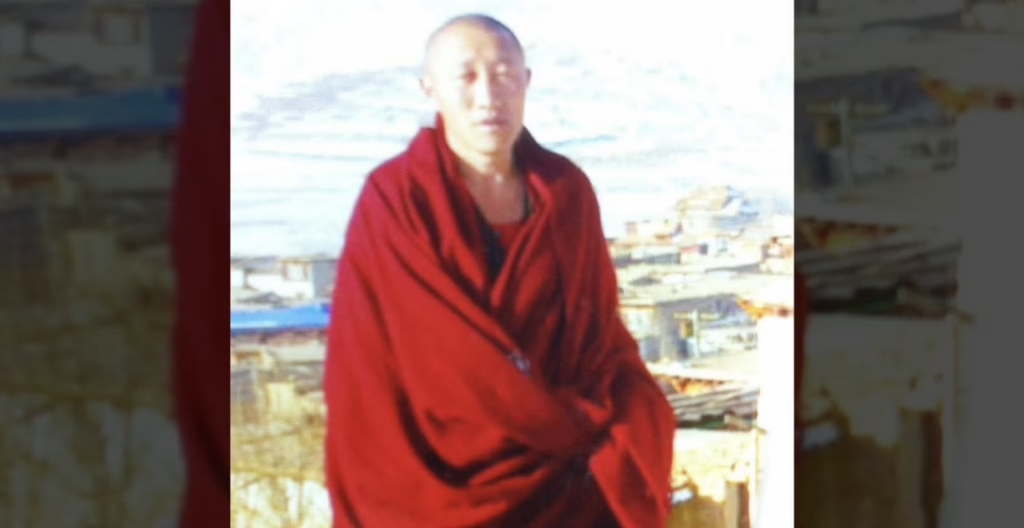
Palden Yeshi, a teacher at Kardze (Chinese: Ganzi) Monastery in Sichuan, was detained in March 2021.
According to Tibet Watch sources, it was only when Chinese authorities contacted Palden Yeshi’s family demanding payment for expenses incurred during his arrest and imprisonment that they first learned of his imprisonment.[1]
Tibetan sources believe that Palden Yeshi’s arrest is likely to be connected to his teaching Tibetan language to Tibetan students during summer and winter holidays.
After his sudden detention, family members visited police stations in an attempt to find out his whereabouts, but were warned not to continue doing so. One of Palden Yeshi’s siblings was even detained for a week and subjected to interrogation and severe beatings as a result of asking about him.
Palden Yeshi (དཔལ་ལྡན་ཡེ་ཤེས།), 52 years old, is from Drungnga Village (འབྲུང་རྔ་གྲོང་ཚོ།) in Kardze County (དཀར་མཛེས་རྫོང་།). His father’s name was Sonam Tsewang (བསོད་ནམས་ཚེ་དབང་།) and his mother’s name is Lujen Tsang Tenga (ཀླུ་སྦྱིན་ཚང་ཨ་མ་བསྟན་དགའ།). He is the eldest of three siblings. He served as a teacher at Kardze Monastery (དཀར་མཛེས་བཀྲ་ཤིས་བཤད་སྒྲུབ་ནོར་བུའི་གླིང་།) and also taught supplementary Tibetan language classes to local Tibetan students during school summer and winter holidays.
Lobsang Lungrik
Lobsang Lungrik, 51, the head lama of Bargon Monastery in Chumarleb County, Yushu Tibetan Autonomous Prefecture (the Tibetan area of Kham), was detained and taken from his monastery in December 2024, according to Tibet Watch sources. It only became known that he had been detained earlier this year, more than a year later, and still nothing is known about his welfare and whereabouts.
Lobsang Lungrik is a highly educated reincarnate lama (in 1982, he was recognized as the 11th incarnation of Bar Trichen Gyudchen (འབར་ཁྲི་བ་རྒྱུད་ཆེན།) who held numerous official posts and leading roles in the cultural sphere. He had been a consultant and advisor on research into Buddhist texts at the China Tibetology Research Centre, and held an honorary position as principal of Qumarleb County’s Second Primary School. In 2015, he completed his doctorate at Qinghai Nationalities University.
By 2021, Lobsang Lungrik was serving as a Standing Committee Member of the Yushu Prefecture Chinese People’s Political Consultative Committee (ཡུལ་ཤུལ་ཁུལ་སྲིད་གྲོས་ཀྱི་ཀྲུའུ་ཞི་གཞོན་པ།), Vice Chairman of the Qinghai Provincial Buddhist Association (མཚོ་སྔོན་ཞིང་ཆེན་ནང་བསྟན་མཐུན་ཚོགས་ཀྱི་ཚོགས་གཙོ་གཞོན་པ།), and Executive Vice Chairman of the Yushu Prefecture Buddhist Association (ཡུལ་ཤུལ་ཁུལ་ནང་བསྟན་མཐུན་ཚོགས་ཀྱི་རྒྱུན་ལས་ཚོགས་གཙོ་གཞོན་པ།), among other positions.
The first official indication that Lobsang Lungrik was in serious trouble came with an article in Chinese state media Qinghai Daily on 26 December 2024 stating that ‘Luosong Longri’, the Chinese transliteration used for Lobsang Lungrik, had been removed from his position as a Standing Committee Member of the Qinghai Provincial Committee of the Chinese People’s Political Consultative Conference (CPPCC) and that his CPPCC membership qualifications had been revoked.[2] The report stated that the decision was taken at the 11th meeting of the Standing Committee of the 13th Qinghai Provincial CPPCC. Since then, his whereabouts have remained unknown.
Tibet Watch sources believe that Lobsang Lungrik’s detention may be linked to allegations that he assisted a Geshe (senior Buddhist scholar) who had returned from India and was residing at Bargon monastery as a scripture teacher.
In a post detailing a visit to Bargon monastery in 2017, a Chinese blogger recalls that the group was made welcome after a long journey, writing: “ When we met the Living Buddha Lobsang Longri of Bagan Monastery, he arranged for us to stay in the monastery quarters. The Living Buddha made such thoughtful arrangements.”[3]
Chogtrul Dorje Ten and Geshe Konchok Choedak
In December 2025, Tibet Watch documented that Chinese authorities forcibly arrested Chogtrul Dorje Ten — the head of Mintang Osel Thegchok Ling Monastery and principal of Dorje Ten Nationalities Vocational Technical School. His whereabouts remain unknown, and as a result of his arrest, the school has been unable to operate.
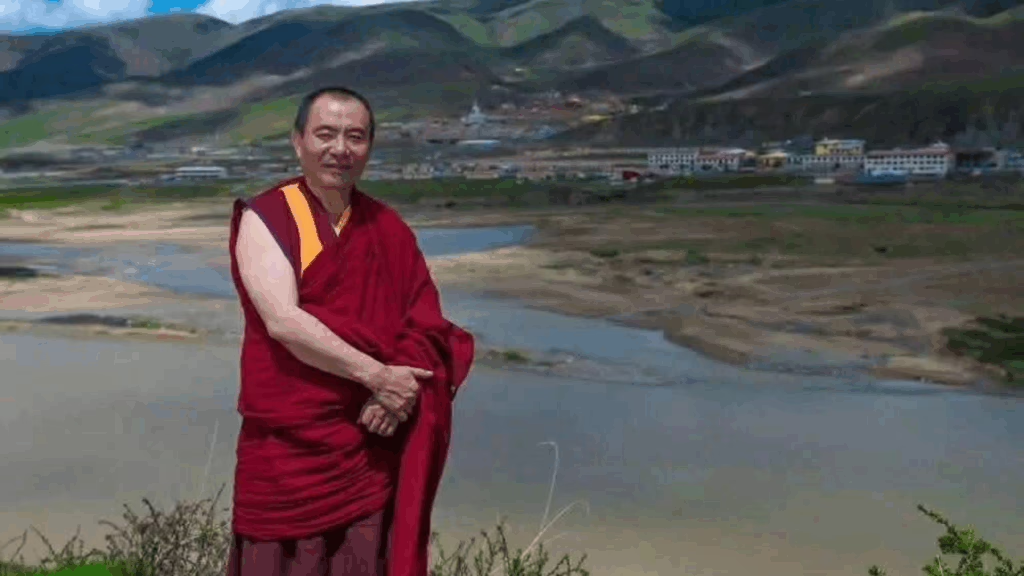
Chogtrul Dorje Ten’s whereabouts remain unknown.
Geshe Kunchok Chodrak, the acting head and teacher of Buddhist scriptures at Hortsang Kirti Monastery, remains missing since he was taken away by police in the middle of the night in December 2024. A Tibet Watch source said: “Geshe Konchok served as a member of the General Buddhist Education Management Committee of Kirti Monastery, which typically organizes academic programmes and procedures across the four traditional branches of Kirti Monastery. However, the committee was shut down in July 2025, with authorities accusing it of maintaining ties with His Eminence Kirti Rinpoche, who resides in India.”
The authorities of Sangchu county in Kanlho, Gansu Province, seized documents and other materials relating to the education curriculum.
According to information received by Tibet Watch in September 2025, the authorities had sentenced Geshe Kunchok to more than four years in prison. His current whereabouts and the charges brought against him remain unknown.
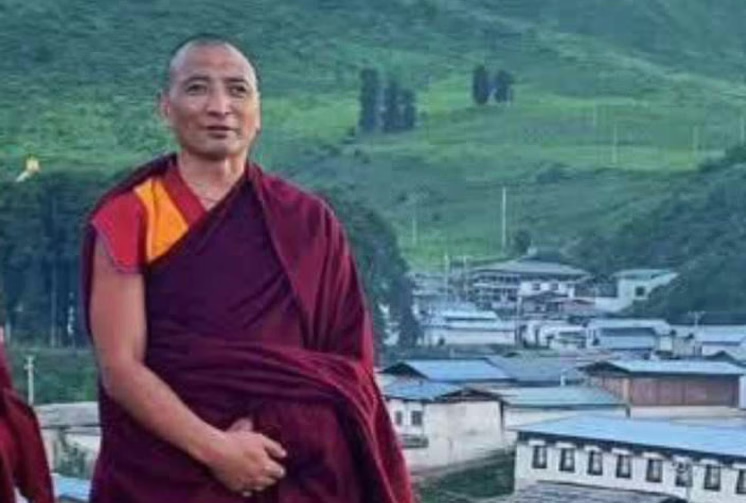
Geshe Kunchok Chodrak, the acting head and teacher of Buddhist scriptures at Hortsang Kirti Monastery, remains missing since he was taken away by police in the middle of the night in December.
A week ago, Tibet Watch reported that Chinese police authorities tortured a young Tibetan Buddhist monk so severely that he died in custody before returning his body to his monastery and ordering the monks not to disclose information about his death. In December last year, police authorities of Shongshan Tibetan Township (གཤོང་ཤན་བོད་རིགས་ཞང་།) returned the remains of 25-year-old Samten to Ditsa Monastery. The authorities claimed he had suddenly fallen ill and died after an unsuccessful emergency transfer to a hospital. The name of the hospital was not specified, and the date of his detention remains unclear.
China has launched its most comprehensive assimilation campaign in Tibet to date, extending well beyond political control of Tibet. Xi Jinping’s ‘new era’ strategy systematically targets the foundations of Tibetan cultural and religious identity through ‘Sinicisation’ and education in state-run boarding schools which mainstream the Chinese language. The detentions and disappearances documented in this report point to a deliberate strategy to dismantle networks of influence that connect Tibet’s monastic communities to the Dalai Lama, linked to China’s elaborate plans attempting to control any future succession process.
Endnotes:
[1] During the Cultural Revolution, Chinese families were often sent an invoice for the bullet used to execute their relative.
[2] https://mp.weixin.qq.com/s/60jw9CeCjviOIRw6ZXMugQ
[3] The post includes images of ceremonies at Bargon monastery and notes that while at its height the population of monks was around 1,000, today it is less than 200. 25 July, 2017, https://mp.weixin.qq.com/s/8Vgq69aUdkzgE6WgpdLmDA