27 August 2026
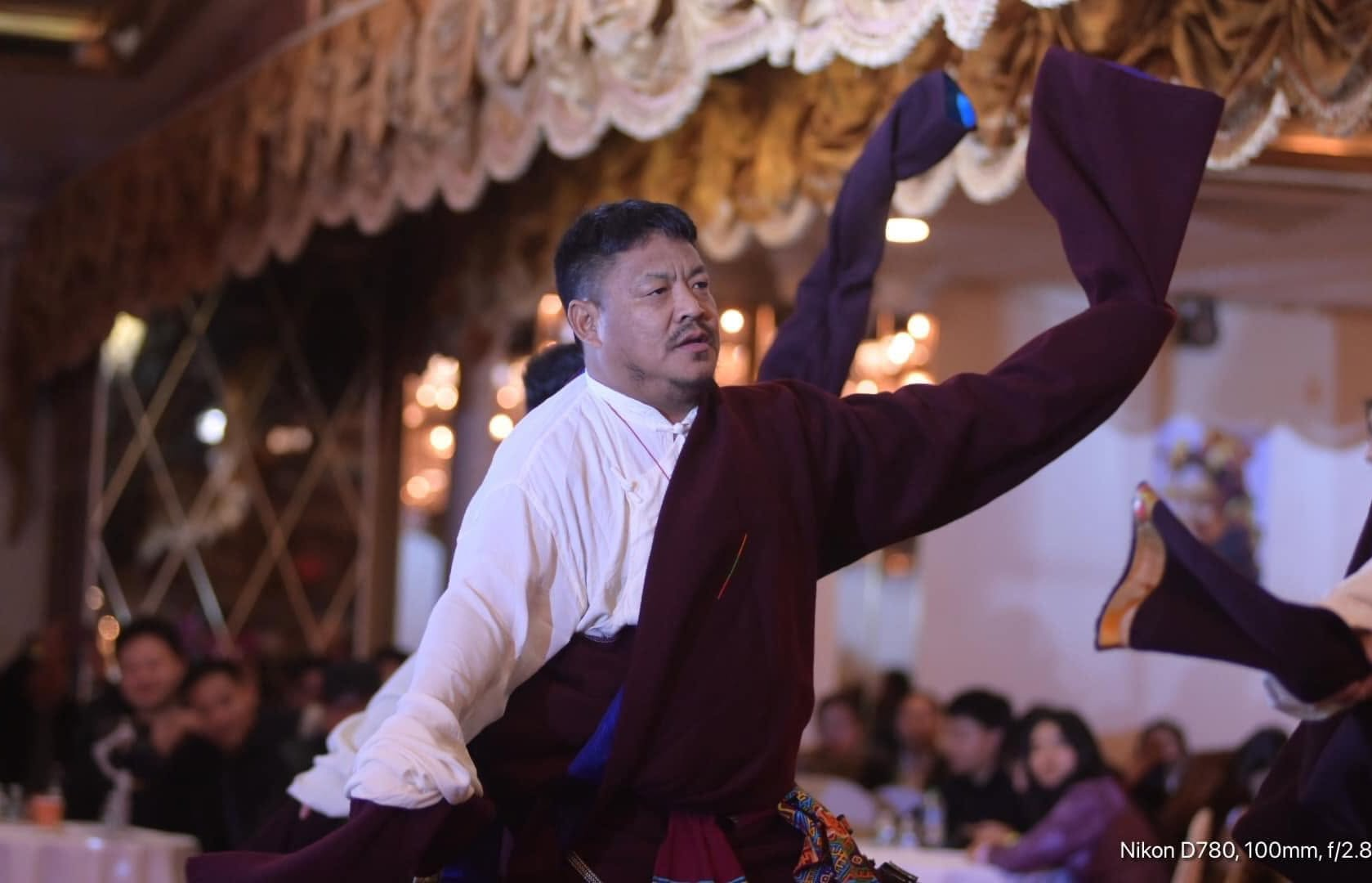
Tibet Watch researcher Wangden Kyab reflects on the final words of his friend Lobga Rangzen, who set fire to himself outside the UN headquarters in New York on 2 July.
On 2 July, Tibetan activist and my dear friend Lobga Rangzen became the first person to self-immolate in front of the United Nations headquarters in New York.
Born in eastern Tibet, Rangzen fled into exile in India before eventually settling in the United States. For more than two decades, the 52-year-old devoted his life to advocating for Tibet, amplifying the voices of Tibetans silenced inside their homeland, and keeping alive the aspiration for a free and independent Tibet
His flames were never born of hatred. They were born of love for his people, devotion to his nation, and a final appeal to the conscience of humanity. From a Buddhist perspective, willingly giving one’s life for the welfare of others, embodies the Bodhisattva ideal—the aspiration to attain liberation in order to relieve the suffering of all beings.
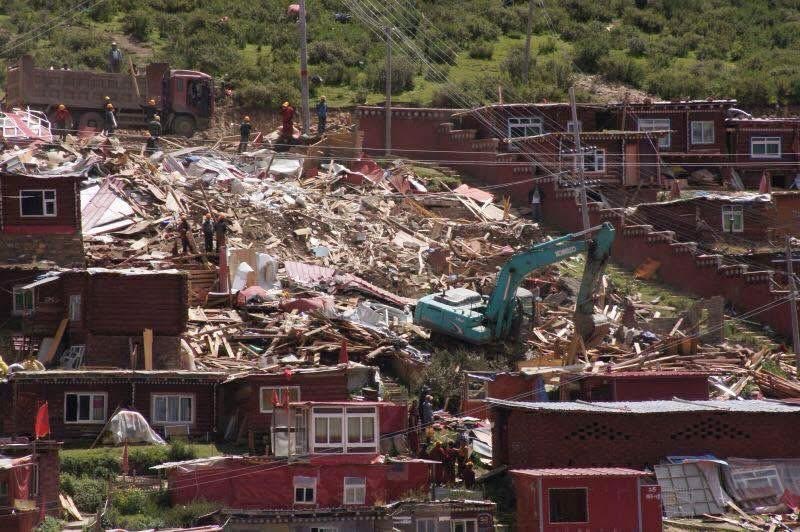
Lobga Rangzen’s sacrifice underscores the deepening tragedy of the homeland for which he longed throughout his life.Since the People’s Republic of China invaded and occupied Tibet in the 1950s, Tibetans have endured decades of political repression marked by massacres, police brutality, restrictions on religious and cultural freedoms, the erosion of the Tibetan language, and discriminatory policies. Nomads and farmers have been displaced from their ancestral lands, while monasteries and schools have been either shut down or placed under pervasive surveillance and political indoctrination.
Former Tibetan political prisoner Labrang Jigme recounted such police brutality during his imprisonment. According to his testimony, a police officer pointed a gun at his head and said, “This gun was made specifically for people like you, Tibetans. If we kill you and throw your body into the garbage, no one will ever know, and not a single person will stand up for you.” Such testimonies illustrate the climate of repression that pervades Tibet. This is reflected in independent assessments, including those by Freedom House, which has consistently ranked Tibet among the least free places in the world.
Against this backdrop, more than 170 Tibetans have chosen self-immolation as an act of political protest and an urgent appeal to the attention of the international community. With Lobga Rangzen, that appeal reached the very gates of the United Nations.
That day, dressed in traditional Tibetan attire, he stood beside the Snow Lion flag of Tibet he had carried, facing the towering building of the United Nations headquarters, where the flags of the world’s nations fly together in symbolic recognition of the international order. There, Rangzen set himself ablaze.
As flames engulfed him, he proclaimed, “Free Tibet! China Out of Tibet!”
Rangzen’s act was not merely a protest against China’s rule over Tibet; it confronted the United Nations with the ideals on which it was founded: the defence of human rights, the equal dignity of all people, and the protection of those whose voices are drowned out by the power of states. For many oppressed peoples, however, these ideals have too often remained promises rather than realities.
For Tibetans, the gap between the United Nations’ ideals and the reality in Tibet has widened as Beijing increasingly uses its diplomatic, political, and economic weight to shape international discourse on Tibet within UN mechanisms and other international bodies.
Rangzen therefore made his final stand—not on a battlefield or before a Chinese embassy, but at the headquarters of the United Nations itself. When the pleas of an entire people go unanswered for generations, what remains for those whose voices continue to go unheard?
The flames compelled the United Nations to respond. Yet rather than acknowledging Rangzen’s final calls or addressing the circumstances that led to his death, the spokesperson offered only a brief expression of condolence and described Tibetans as a “minority”—language that echoes Beijing’s official narrative.
Rangzen’s final act left little room for ambiguity. His dying words, the Snow Lion flag he carried, and the site of protest he deliberately chose all conveyed the same message: a rejection of China’s rule over Tibet, a reminder that the United Nations’ founding promises remain unfulfilled for Tibet, and a call for Tibetans to continue the struggle for independence while rejecting any portrayal of Tibetans as merely one of China’s ethnic minorities.
History remembers not only those who wielded power, but also those whose moral courage changed its course. The self-immolations of Thích Quảng Đức in Vietnam, the Czech student Jan Palach, and Mohamed Bouazizi in Tunisia awakened public conscience, inspired oppressed peoples, and triggered the downfall of authoritarian regimes that reshaped their societies.
Whether Lobga Rangzen’s sacrifice becomes a turning point depends not on him, but on whether the international community—including the United Nations—lives up to its principles and whether Tibetans carry the struggle for freedom forward with renewed resolve.
Lobga Rangzen’s martyrdom was never an invitation for others to follow the same path. It was a call to responsibility, courage, and strength— to a nation determined to preserve its identity and intensify its struggle for freedom from China’s rule. As his friend, I can say with conviction that he carried a far deeper, far greater hope: that his would be the last such sacrifice—one that would awaken the world’s conscience, move it to uphold the principles it professes, and inspire the resolve to end the suffering of Tibetans, Uyghurs, Southern Mongolians, Hongkongers, and other peoples living under China’s occupation.
Rangzen’s final recorded message was addressed above all to Tibetans. He believed that Tibetans themselves must be the driving force behind their struggle for freedom, while international support could help create the conditions in which justice might prevail. He urged his people never to compromise their national identity, reminding them that the human rights abuses and existential threats they face stem from China’s occupation of their homeland. For Rangzen, the restoration of Tibet’s independence was the only path to a lasting solution.
A nation’s freedom depends on the courage, perseverance, and collective resolve of its people. Whether the world truly heard Lobga Rangzen’s final words remains uncertain. Tibetans, however, heard the United Nations’ response when he stood before its headquarters beside their national flag and confronted its founding principles in flames. How they respond to this moment will shape not only the next chapter of Tibet’s struggle, but also how history remembers Lobga Rangzen’s sacrifice.
Wangden Kyab is a Senior Researcher and Research Manager at Tibet Watch, where he leads research on human rights and contemporary developments in Tibet.
A shorter version of this article was originally published by Open magazine in India at:
https://openthemagazine.com/world/why-a-tibetan-activist-set-himself-on-fire