31 July 2026
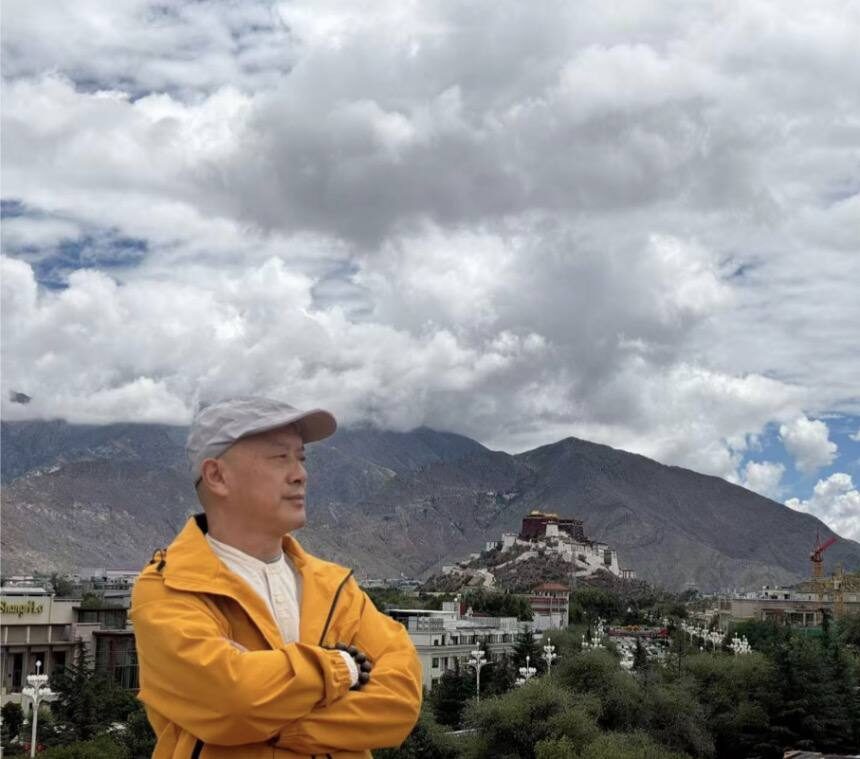
A veteran Chinese rights defender from Wuhan was detained at Sera monastery in Lhasa after he showed a monk a picture of the Dalai Lama, on the day China’s draconian law on ‘ethnic unity’ took effect. Zhang Yi, a former political prisoner who was active in disclosing the reality of the COVID pandemic in 2020, was seized by security forces at the monastery on 1 July, according to the Chinese-language site Rights Defense Network (Weiquanwang). His family have now received confirmation that he has been detained on suspicion of “inciting separatism”.
Zhang Yi, a former student leader at Tiananmen Square who was later imprisoned and tortured, is being held at the Lhasa Detention Centre, according to the same Chinese-language source. Zhang Yi had been visiting Sera monastery with his younger brother and had wanted to borrow a prayer mat. Due to a language barrier, he showed a Tibetan a photo of the Dalai Lama on his cellphone, according to the same source, and both brothers were taken away by police at 5.30 pm, although his brother was later released.
As a student leader in 1989, Zhang Yi was tortured during a two-year prison sentence, resulting in permanent hearing loss in one ear. He was administratively detained in 2018 over Liu Xiaobo memorial photos, and during COVID publicly disclosed conditions in Wuhan and campaigned for the release of citizen journalist Fang Bin.[1] A Chinese friend of Zhang Yi’s was cited anonymously as saying that in Tibet, on the day the ethnic law came into force, he walked “directly into the line of fire”.[2]
Zhang Yi’s detention coincides with the Chinese government’s ‘Law on Promoting Ethnic Unity and Progress’ taking effect on 1 July. Article 62 of the law names “ethnic separatist activities” and “incitement” of such activities among the conduct subject to criminal prosecution, showing how the new legislation is designed to carry the deliberately undefined vocabulary of “ethnic unity” into the criminal code, where it can be applied to almost any assertion of Tibetan identity. The same article of the law places ordinary expressions of Tibetan culture and spiritual practice in the same clause as terrorism and religious extremism.
In Tibet, criticism of government policy, advocacy for language rights, or expressing a distinctly Tibetan sense of historical and religious identity has been treated for years as endangering ‘ethnic unity.’ But the 2026 law is a watershed because it converts Xi Jinping’s political agenda of forced assimilation into binding statute. Policies previously implemented through administrative directives, Party campaigns, and informal pressure now carry the force of national law, with enforcement mechanisms, criminal sanctions, and extraterritorial reach.
A photograph, a t-shirt, an offering: what China now prosecutes as ‘separatism’
While Tibetans make up just 0.5 percent of China’s population, they account for more than 8 percent of entries in the China Human Rights Defenders prisoners of conscience database and 65 percent of all known convictions in the database on charges of “separatism” or “inciting separatism.”
Tibetans found in possession of an image of the Dalai Lama or with any perceived connection to exile Tibetans in Dharamsala or elsewhere can be characterised as “separatist” and penalised by torture and imprisonment. The threshold is low. Even messages containing information and receipts of devotional offerings made in the name of the ill and deceased persons to exile-based Tibetan Buddhist institutions, and the Gaden Phodrang trust of the Dalai Lama in particular, risk detention and jail in Tibet.
In 2020, a 43-year old monk Choekyi (ཆོས་ཀྱིས།), died after a prison sentence on charges of “separatism” simply for wearing a t-shirt with Tibetan writing celebrating the Dalai Lama’s birthday in 2015 and posting messages of good wishes on social media. Choekyi suffered from serious ill-health and pain that was exacerbated by hard labour and solitary confinement in prison during a four-year sentence. He was denied health care in custody, and, even after his release, was not allowed to receive medical treatment.
Choekyi’s case and harsh sentence for celebrating the Dalai Lama’s birthday is not unique. In December 2016, nine Tibetans, including four Kirti monks and five laypeople, were handed sentences ranging from five to 14 years in prison for celebrating the Dalai Lama’s birthday.
Tibet Watch has documented a pattern of escalating repression targeting Tibetan Buddhist monasteries and monastic leaders in the community. Monasteries have been raided and images of the Dalai Lama confiscated, while senior monks have disappeared or died after torture.
In December last year, Chinese police authorities tortured a 25-year old Tibetan Buddhist monk called Samten so severely that he died in custody. His body was returned to his monastery, Ditsa, and monks ordered not to disclose information about his death.
China routinely detains and imprisons monks found promoting, receiving or disseminating materials published by exile-based Tibetan Buddhist institutions — above all, anything related to the Dalai Lama. In early February, police in Sangchu County took Jamyang Tashi, a monk from Labrang Tashikhyil monastery, back into custody, only two months after his release from a six-month arbitrary detention. He had first been held on suspicion of contact with exiled Tibetans.
Fears persist for the safety of the prominent monk educator and reincarnate lama Chogtrul Dorje Ten, detained in early December. Chogtrul Dorje Ten was the head of Mintang Osel Thegchok Ling monastery and principal of Dorje Ten Nationalities Vocational Technical School in Chigdril (Jigzhi) county, Golog (Chinese: Guoluo), Qinghai. Following his detention, the successful independent vocational school he founded, which served over 1,300 students, was abruptly closed.
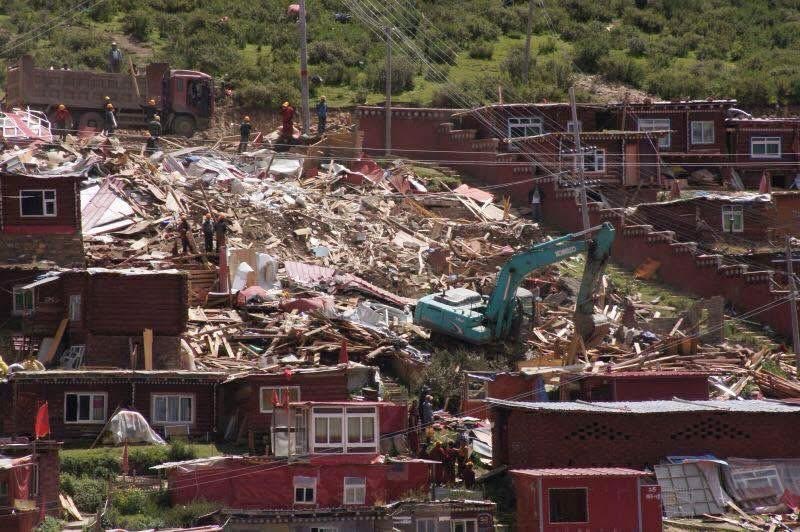
That closure was not an isolated one. Over the past two years, hundreds of young Tibetan novice monks have been forced out of monastery-affiliated schools and into state-run residential schools, and major non-state Tibetan schools have been shuttered.
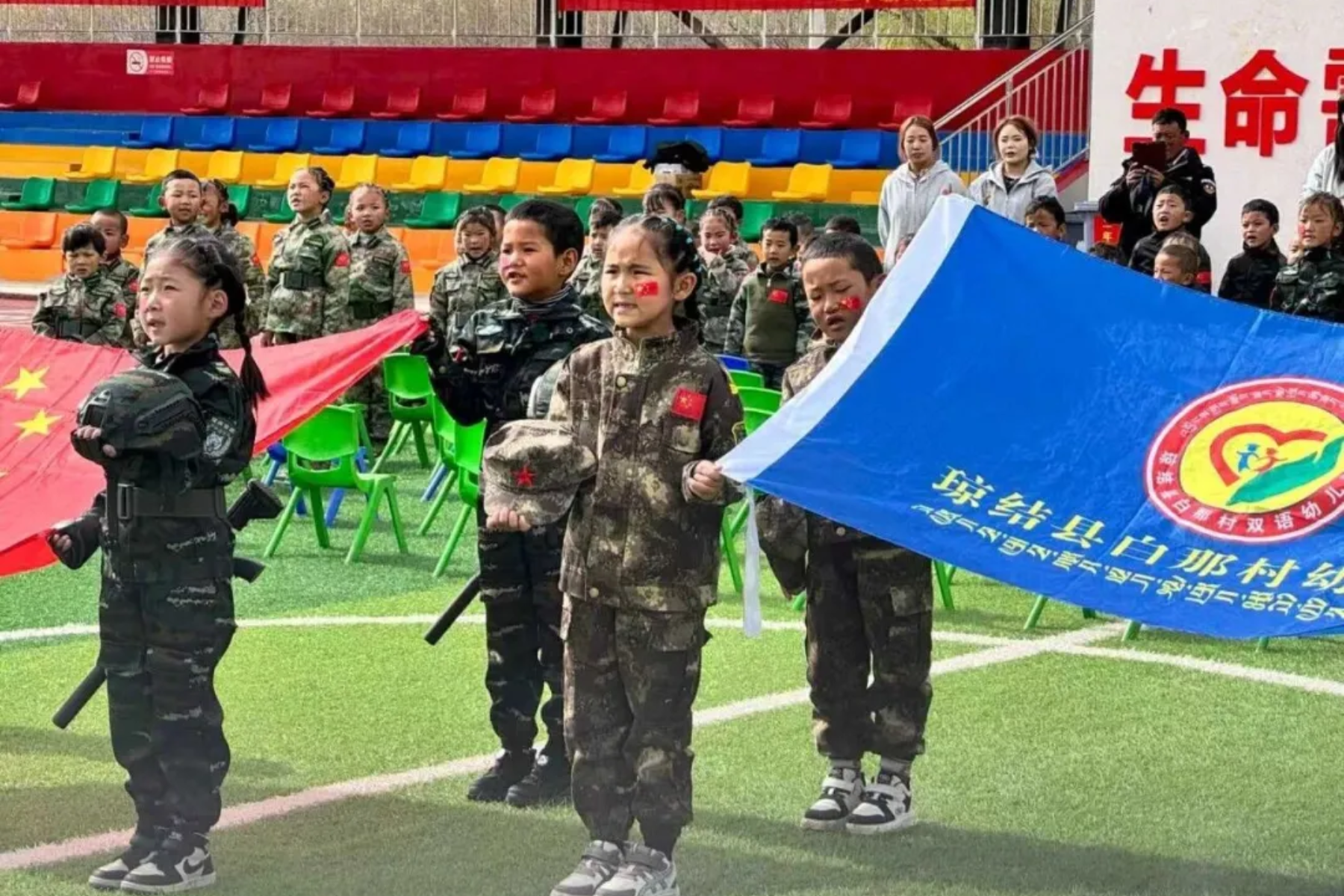
The “ethnic unity” law makes the intention explicit. Mandarin is mandated as the basic language of all education from preschool onwards. State organs are required to use Mandarin as the sole official language and script, and where Tibetan appears alongside Mandarin in public settings, Mandarin must be given visual prominence — a requirement institutionally reinforced across schools, government and media. A further article carries it into the private sphere of the home, requiring parents and guardians to “educate and guide minors to love the Chinese Communist Party.”
In a rare joint response, eight UN Special Rapporteurs warned China in April that the law’s provisions run against the PRC’s own regulations. Although the law states in article 1 that it is drafted on the basis of the Constitution, they observed that a number of its provisions may contradict it — in particular article 4, which guarantees all ethnic groups “the freedom to use and develop their own spoken and written languages.”[3]
Endnotes:
[1] Weiquanwang (Rights Defense Network) , posted on 18 July, https://wqw2010.blogspot.com/2026/07/blog-post_498.html
[2] Apollo News Network, 28 July 2026, https://www.aboluowang.com/2026/0728/2413652.html
[3] Statement on 16 April 2026 by the mandates of the Special Rapporteur on minority issues; the Special Rapporteur in the field of cultural rights; the Special Rapporteur on the right to development; the Special Rapporteur on the right to education; the Special Rapporteur on the promotion and protection of the right to freedom of opinion and expression; the Special Rapporteur on the rights to freedom of peaceful assembly and of association; the Special Rapporteur on adequate housing as a component of the right to an adequate standard of living, and on the right to non-discrimination in this context and the Special Rapporteur on freedom of religion or belief. https://spcommreports.ohchr.org/TMResultsBase/DownLoadPublicCommunicationFile?gId=30922